New visitor levies will begin rolling out across parts of the UK from 2026, adding small overnight charges to hotel rooms, short-term lets and some campsites. The most advanced scheme is in Edinburgh, where a 5% surcharge on overnight accommodation will apply from 24 July 2026. Wales plans flat per-person fees from 2027, while English mayors have been granted powers to introduce similar charges following consultation.
Ministers and councils say the levies will fund local infrastructure strained by tourism. Industry groups warn that even modest nightly fees could add pressure for families already facing higher travel and living costs.
What Is a Visitor Levy?
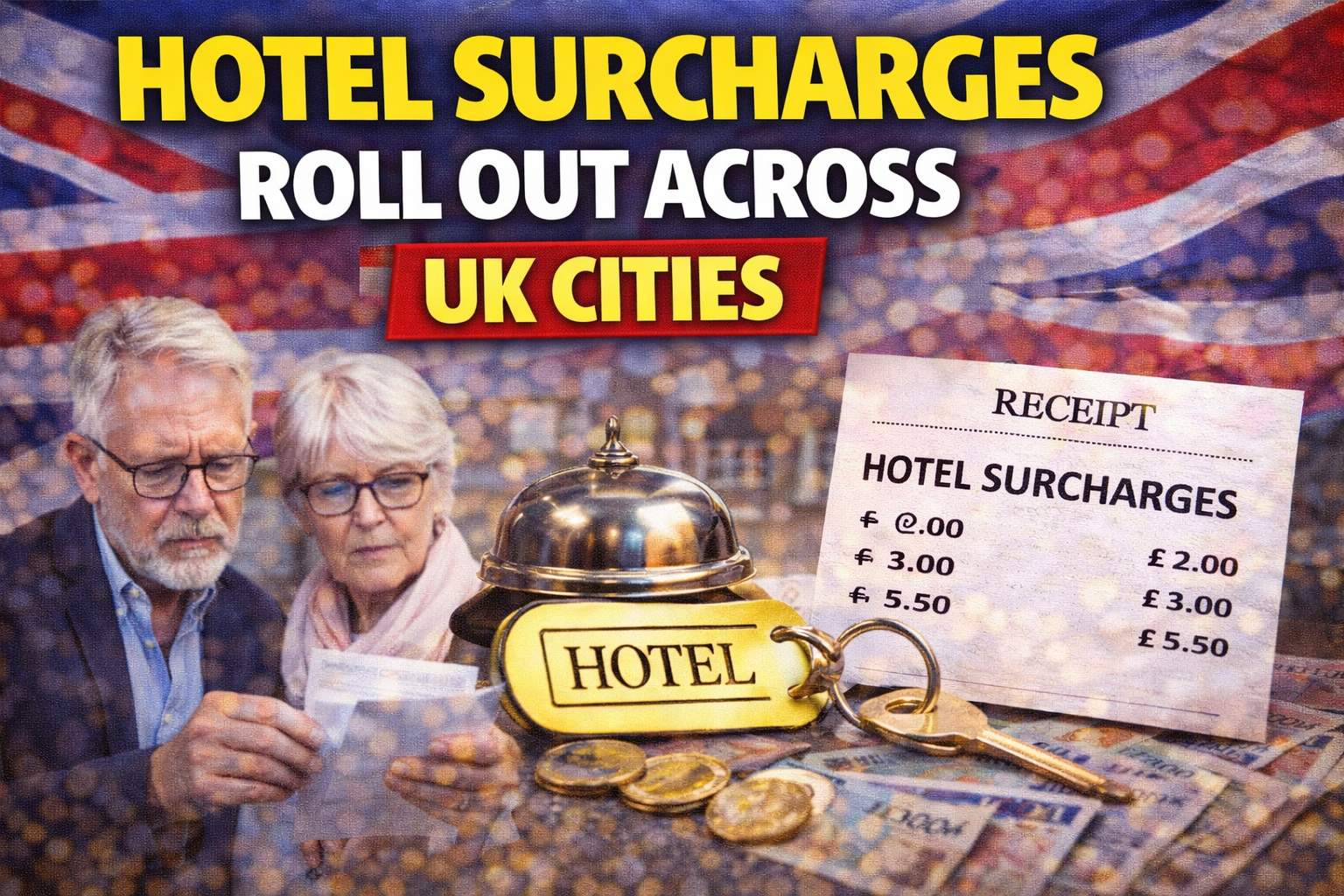
A visitor levy – often called a tourist tax – is a small charge added to overnight accommodation.

It is:
- Collected by hotels, holiday lets, hostels or campsites
- Paid by short-stay visitors
- Ringfenced for local tourism and infrastructure
Funds are typically used for:
- Street cleaning
- Public transport
- Cultural events
- Signage and visitor facilities
Unlike VAT, the levy is locally set and applies only to overnight stays.
Latest Stories
 DVLA Confirms Driving Licence Changes from February 2026
Where Charges Are Confirmed for 2026
Edinburgh (Scotland)
- 5% surcharge on overnight accommodation
- Starts 24 July 2026
- Applies to bookings made after the implementation window
- Estimated to raise around £45 million annually
For a £150 per night family room, this adds:
- £7.50 per night
- £52.50 for a seven-night stay
Glasgow and Aberdeen are expected to follow in 2027 at 5% and 7% respectively.
Wales: Flat-Rate Model from 2027
Wales plans to introduce levies from April 2027, subject to final implementation.

Proposed rates include:
- £1.30 per person per night (hotels)
- £0.75 per person per night (hostels and campsites)
Exemptions are expected for:
- Long stays over 31 nights
- Certain under-18 bookings
- Emergency housing
For a Cardiff family weekend (two adults), that could total around £10–£12 over two nights.
England: Mayoral Powers Granted
Under devolution changes announced in the Autumn Budget 2025, English metro mayors can consult on local levies.
Areas considering options include:
- London
- Manchester
- West Midlands
- Liverpool (which already operates a £2 per room ABID fee)
Manchester currently runs a £1 per room per night pilot, while Liverpool’s scheme has raised £9.2 million since launch.
No nationwide English tourist tax exists yet.
Northern Ireland
As of 2026, Northern Ireland has not formally adopted a visitor levy.
This may preserve relative affordability for cross-border domestic tourism.
Estimated Cost Comparison (Family of Four, £150/Night)
| Location | Levy Type | Cost Per Night | Weekly Total |
|---|---|---|---|
| Edinburgh | 5% surcharge | £7.50 | £52.50 |
| Glasgow | 5% surcharge | £7.50 | £52.50 |
| Aberdeen | 7% surcharge | £10.50 | £73.50 |
| Wales (proposed) | £1.30 per adult | £5.20 | £36.40 |
| Manchester | £1 per room | £1.00 | £7.00 |
| Liverpool | £2 per room | £2.00 | £14.00 |
| London (projected) | £2–£5 per room | ~£4.00 avg | £28.00 |
Why Councils Are Introducing Levies
Local authorities argue:
- Popular destinations face overtourism
- Infrastructure costs are rising
- Visitors should contribute to upkeep
Edinburgh’s Old Town alone sees around 5 million visitors annually, creating pressure on public services.
The Treasury views the policy as enabling local reinvestment without raising general taxation.
Industry Concerns
Trade groups including UKHospitality and Abta warn:
- Higher costs may deter budget families
- Combined with VAT and inflation, UK stays risk becoming less competitive
- Demand could fall by 2–5% in some regions
However, cities such as Paris and Amsterdam already operate similar levies.
Impact on UK Families
For families planning a £1,000 summer staycation:
- A 5% levy adds roughly £50
- Additional charges may compound rail fare increases and inflation
Single-parent households and lower-income families may feel the impact more acutely.
However, per-night charges remain relatively modest compared with European models.
Are There Exemptions?
Exemptions vary by region but may include:
- Long-term stays
- Under-18 travellers (in some Welsh proposals)
- Emergency accommodation
Self-catering properties may also be subject to registration and levy collection depending on local rules.
Planning Tips for 2026 Holidays
Families can reduce impact by:
- Booking before implementation dates
- Travelling off-peak
- Comparing levy-light regions
- Checking full breakdown at checkout
Most digital platforms will show the levy before final payment.
Broader Travel Costs
Visitor levies are being introduced alongside:
- Rail fare increases
- Air Passenger Duty adjustments
- Inflation-linked accommodation pricing
While modest individually, cumulative increases may influence domestic travel patterns.
FAQs
When does the Edinburgh tourist tax start?
From 24 July 2026.
How much is the levy?
5% of the accommodation cost in Edinburgh.
Is there a nationwide UK tourist tax?
No. Levies are introduced locally.
Does Wales charge from 2026?
Wales plans to introduce charges from April 2027.
Are children charged?
Rules vary by region. Some Welsh proposals exempt under-18s.
Will Airbnb bookings be included?
Yes. Short-term rentals are typically included.
Is Northern Ireland affected?
Currently, no formal levy has been introduced there.