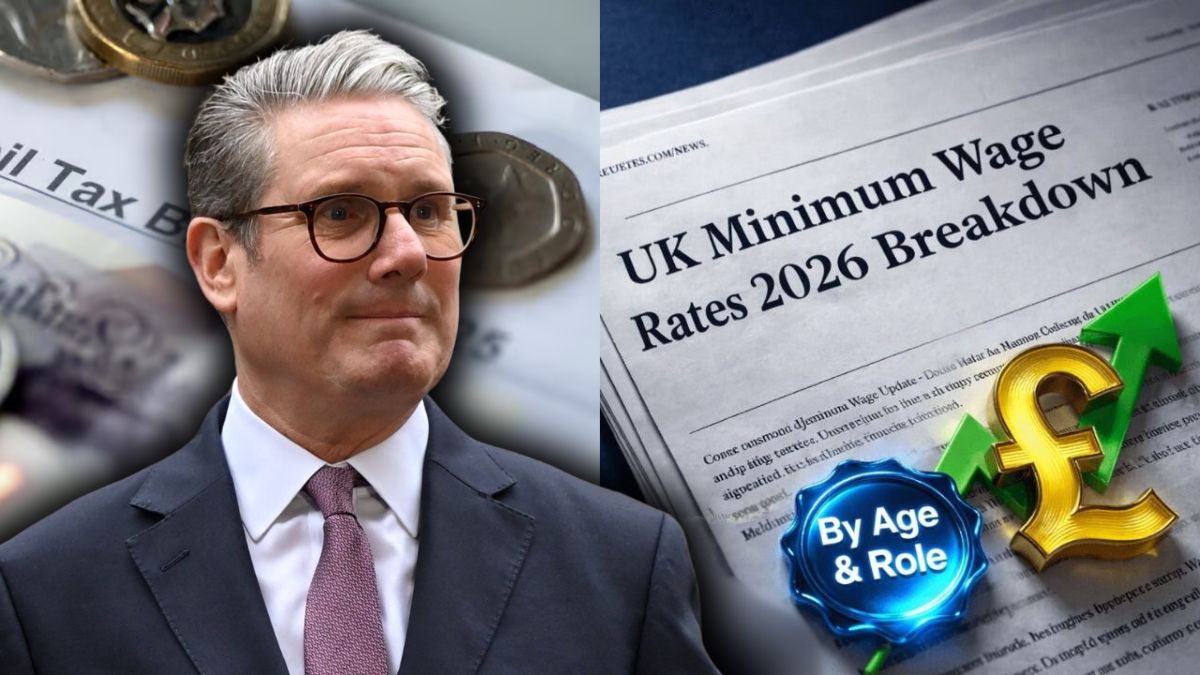
The UK Government has confirmed that the National Living Wage will increase to £12.21 per hour from April 2026, alongside uprated National Minimum Wage rates for younger workers and apprentices.
The new statutory rates are now in force for the 2026–27 tax year. Employers across England, Scotland, Wales and Northern Ireland are legally required to implement the updated pay bands immediately.
The rise forms part of the government’s ongoing strategy to support working households facing continued cost-of-living pressures, including higher housing, food and energy costs.

What Has Changed This Week?
From the start of the new financial year, the following minimum hourly rates apply:
- £12.21 – National Living Wage (age 21 and over)
- £10.00+ – 18 to 20-year-olds (uprated band)
- £7.50+ – 16 to 17-year-olds
- £7.50+ – Apprentices (under 19 or first year)
(Exact youth rates are confirmed annually by HM Treasury following Low Pay Commission recommendations.)
The National Living Wage now applies to workers aged 21 and over, reflecting the government’s phased extension of the higher rate to younger adults.
Latest Stories
 UK Banks Confirm New Cash Withdrawal Limits for Over-50s
What Is the National Living Wage?
The National Living Wage (NLW) is the highest statutory minimum pay rate in the UK.
It differs from the National Minimum Wage (NMW), which applies to:
- Workers aged 16–20
- Apprentices
The NLW is designed to ensure adult workers earn a baseline income aligned with economic conditions and wage growth.
Latest Stories
 DWP Confirms New Property Rules for Pension Credit Claimants: What Homeowners Need to Know
Who Benefits From the Increase?
The uplift affects millions of workers, particularly in sectors where minimum pay is common, including:
- Retail
- Hospitality
- Social care
- Warehousing and logistics
- Cleaning and facilities management
Part-time and shift workers will see higher hourly pay, while full-time employees could gain several hundred pounds annually.
What Does This Mean in Annual Terms?
For a full-time worker aged 21+ working 37.5 hours per week:

- Previous rate (2025): approx. £11.44 per hour
- New rate (2026): £12.21 per hour
This represents an annual increase of roughly £1,400–£1,500 before tax, depending on contracted hours.
Actual take-home pay will vary depending on tax and National Insurance deductions.
Employer Responsibilities
Employers must:

- Update payroll systems immediately
- Ensure age-related bands are applied correctly
- Pay the correct rate for all eligible hours worked
Failure to comply can result in:
- Financial penalties
- Public naming by HMRC
- Backdated wage payments
HMRC enforces minimum wage compliance across the UK.
How This Supports Working Households
Although inflation has eased from recent peaks, many households continue to experience financial strain.

The wage increase aims to:
- Boost disposable income
- Reduce reliance on in-work benefits
- Strengthen local spending power
Higher wages can also stimulate local economies, as lower-paid workers are more likely to spend income within their communities.
Interaction With Universal Credit and Benefits
Workers receiving Universal Credit should be aware:

- Higher earnings may reduce UC payments due to the taper rate
- Overall income may still rise depending on hours worked
Employees should review their Universal Credit journal after their first increased payslip to understand any adjustments.
What Workers Should Check
When reviewing your next payslip, confirm:
- Correct hourly rate
- Accurate hours worked
- Proper tax and National Insurance deductions
If your employer has not applied the new rate, you can:

- Raise it informally with payroll
- Contact ACAS for advice
- Report concerns to HMRC
Why the Rates Increase Annually
Minimum wage levels are reviewed each year based on recommendations from the Low Pay Commission.
The government considers:
- Inflation levels
- Average earnings growth
- Business conditions
- Employment trends
This structured review aims to balance fair pay with economic sustainability.
Latest Stories
 England Mayors Gain Powers to Introduce Hotel Fees, May Affect UK Tourists and Families
FAQs
When did the new National Living Wage take effect?
The new rates came into force at the start of the 2026–27 tax year in April 2026.
What is the National Living Wage now?
It is £12.21 per hour for workers aged 21 and over.
Do younger workers get an increase?
Yes. The National Minimum Wage bands for 16–20-year-olds and apprentices have also been uprated.
Latest Stories
 DVLA Confirms Driving Licence Changes from February 2026
Do employers have to apply the new rate immediately?
Yes. It is a legal requirement.
Will this affect Universal Credit?
Higher earnings may reduce Universal Credit payments, but total income may still increase.
Who enforces minimum wage rules?
HMRC is responsible for enforcement and compliance checks.